
If everything is evil, do boycotts matter?
#WalkAndChewGum

This post has been brewing for months, and it’s a mash-up of saved snippets I’ve been ruminating over and given today’s festivities, I decided it’s time to publish.
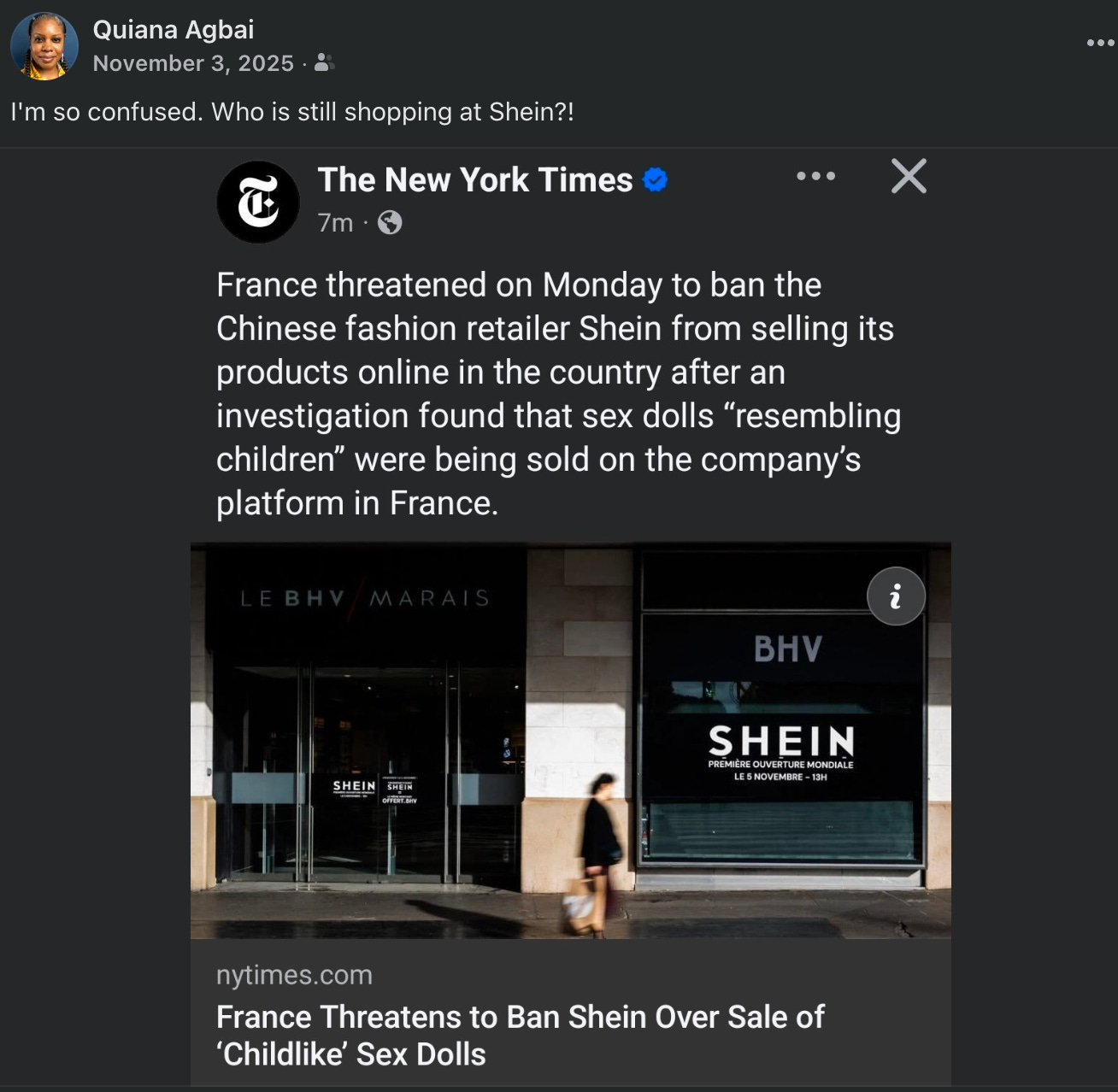
Back in the fall I saw this NYT post (gifted link) re: Shein and expressed shock that folx are still shopping there. It elicited several responses and in the comments I replied that it inspired me to write a longer form Substack post on the nuances of boycotts.
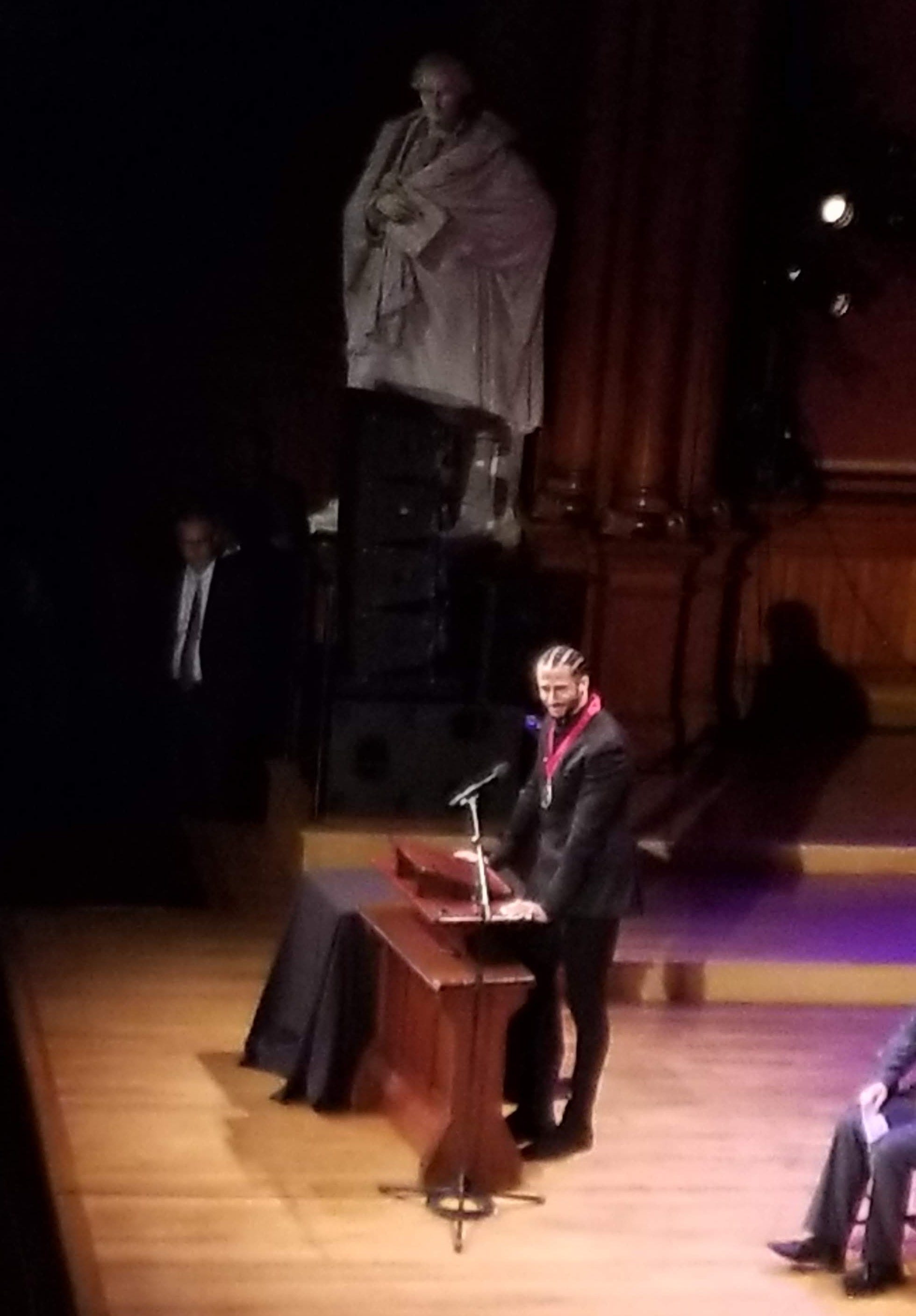
Let’s go back a bit: I saw Colin Kaepernick at Harvard in 2018 and given his activism bringing to light the continuing problematic nature of the NFL I decided to fully boycott. I was never a football fan, but with Colin’s amplification and the ongoing issues with DV and TBI prevalence, my decision was solidified.
And then of course we now have the ongoing Target boycott. When Eunice Brownlee tagged me in Gabrielle Blair’s post asking for suggestions of folx who may be willing to speak on the boycott, and she subsequently contacted me for an interview, I was happy to share my thoughts.
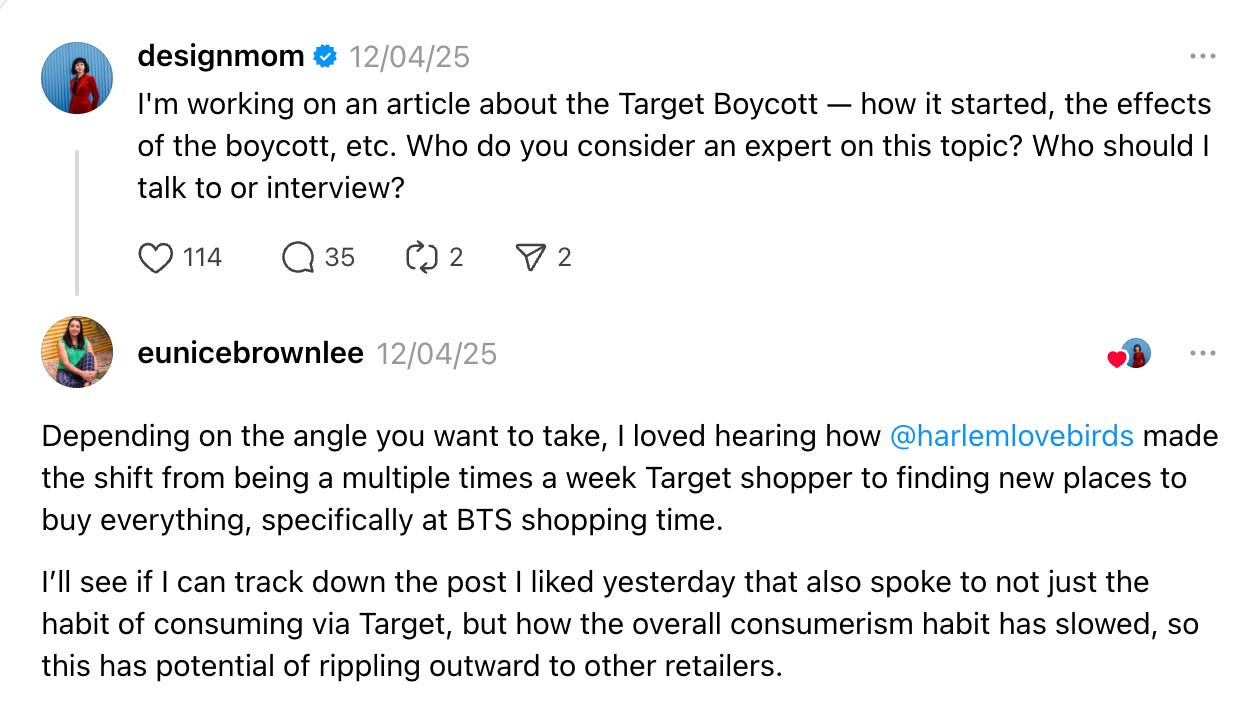
You can read the full interview here (paywall), but here’s a snippet:
Quiana and I discussed other boycotts that have come up this year, like Starbucks, and why the Target boycott has been more effective. Her thoughts mirrored Margo’s thoughts. Quiana said, “I think because Target had more of a feeling of a friend. So there’s an element of betrayal—like my friend who was looking out for me, let me down. I didn’t have that warm feeling towards Starbucks. It’s almost like the one that you love the most, when they do break your heart, it’s worse. There’s emotional pain when you feel betrayed by someone you thought you knew.”
This brings me to today.
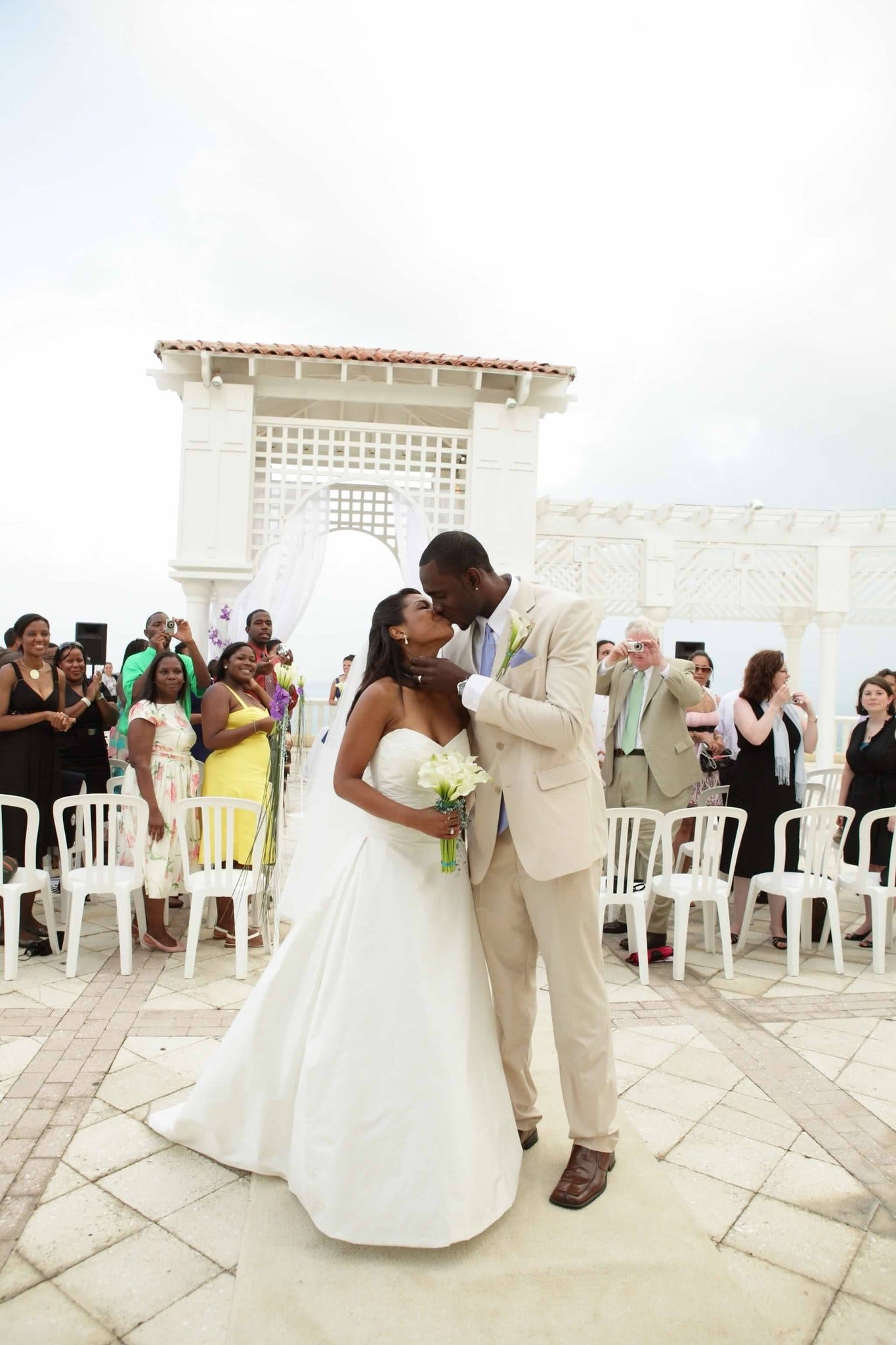
Puerto Rico holds a special place in my heart - my husband played 3 off-seasons of professional basketball there, and it’s where we were married. I was elated when I heard Bad Bunny was doing the halftime show and can understand the cultural significance of this decision while remaining true to boycotting the NFL.
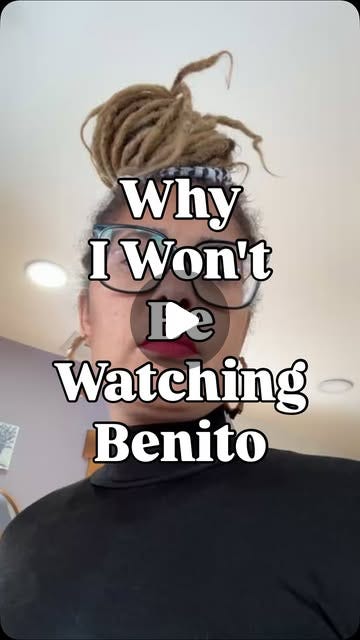
Seeing Puerto Rico and its residents denigrated especially by the current occupant of the White House over the years is enraging, and it feels like a semblance of retribution to see Bad Bunny elevated to one of the highest, most-watched American platforms. For me, this doesn’t mean I’m walking back my boycott, it means I understand the nuance of what his performance represents and the strategic economic decisions he made to support Puerto Rico especially with his residency generating $250 million for the island, and his ongoing humanitarian efforts (check out Good Bunny). I can also appreciate what Amanda Seales expressed on Instagram as well as the comment pasted below it:
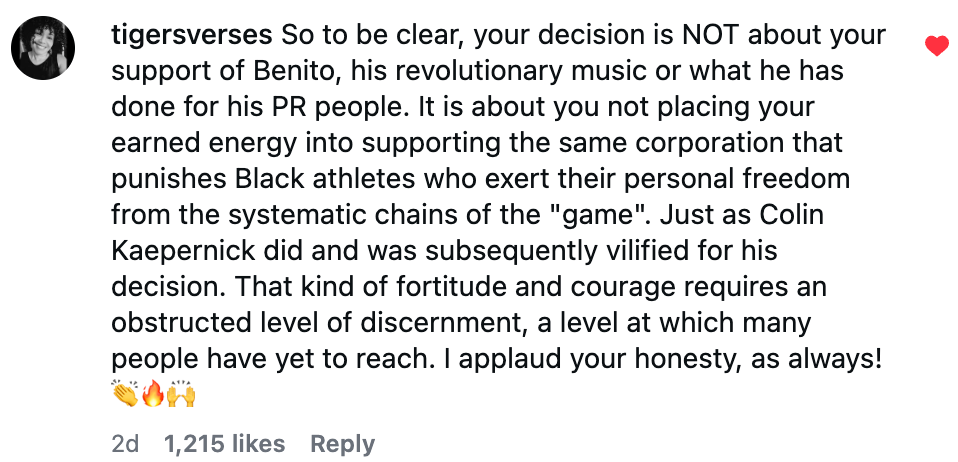
We can look around and see blatantly problematic issues like Shein’s deplorable ethics but then looking at Amazon and Walmart, it can appear gray. There are retail deserts due to racism and exploitation driving out small business owners as well as people with disabilities and access challenges making it hard to fully shop small and local. This isn’t to excuse shopping at billionaire-owned retailers, but the realization is however you are personally convicted to boycott, that is your decision.
And we realize there are consequences. And yes, it sucks, but we are subjected to judgement. It’s a work in progress.
Even typing this on an Apple product and cross-posting to Meta. Both are problematic. How are the materials mined that allow us to even share and read this? It can all make your head spin, right?
And don’t get me started on AI. Yes, I snoozed all the folx showing up in my feed posting that trending cartoon nonsense.
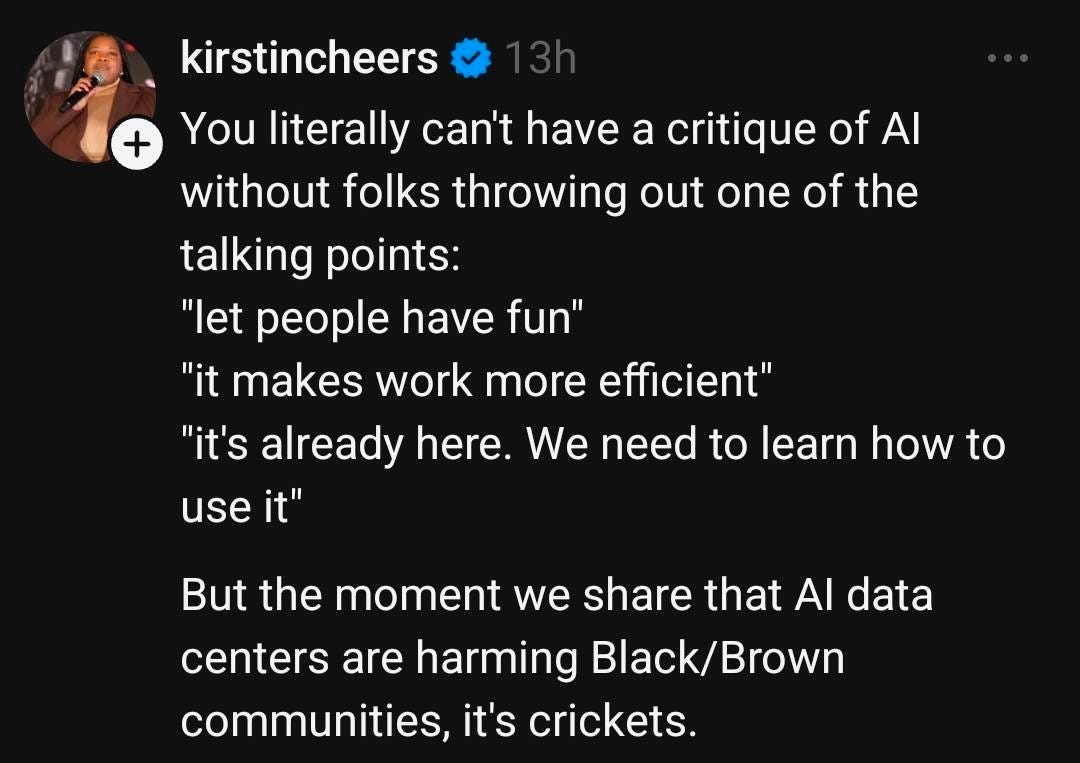
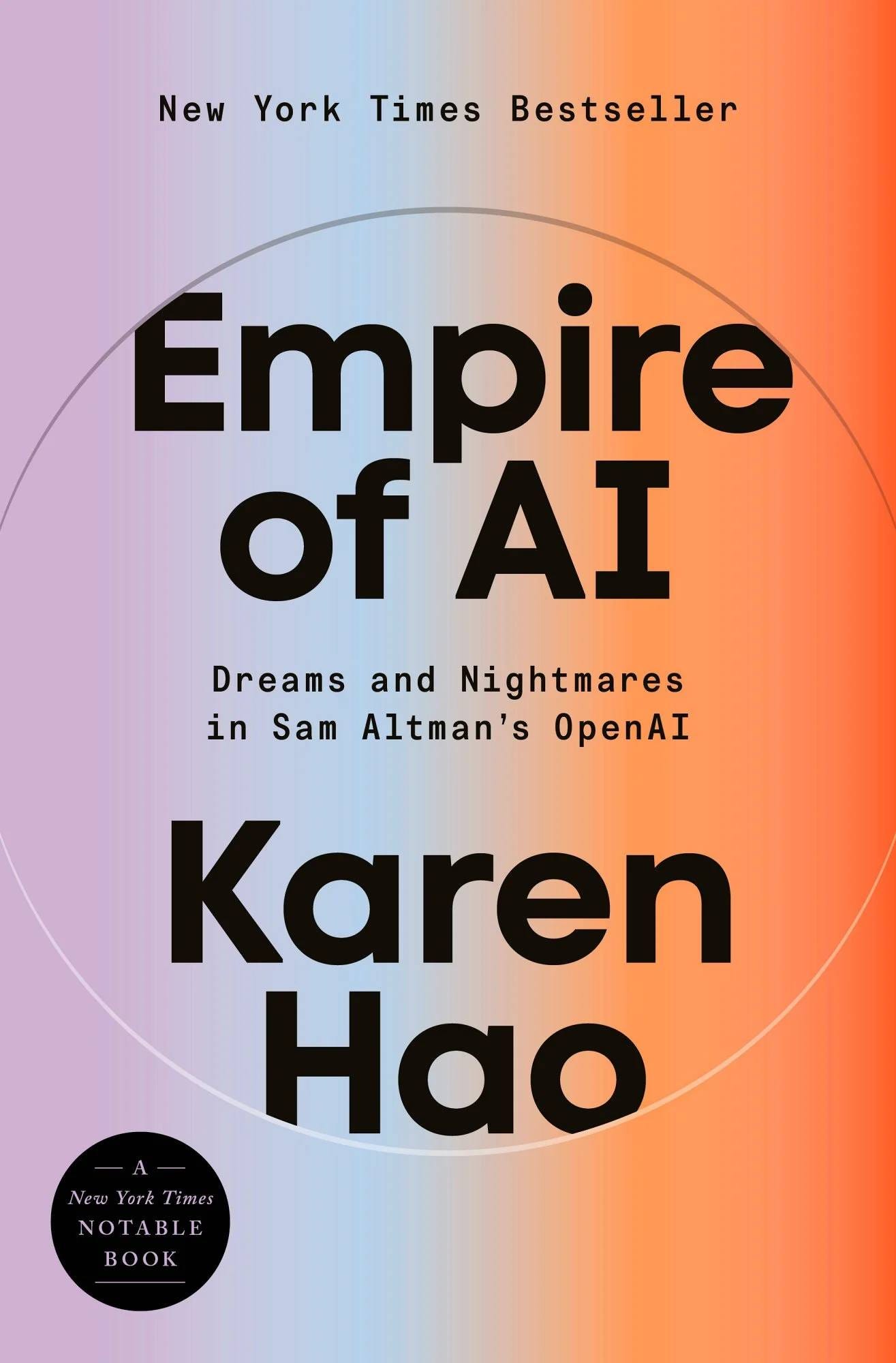
Want to learn more? Read this:
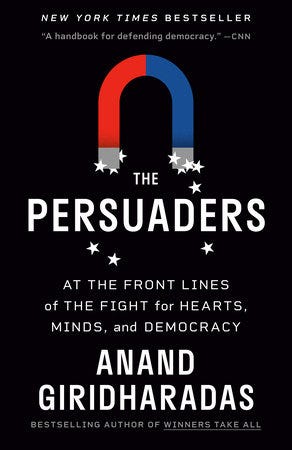
Lastly, I’m ruminating on this point brought up in The Persuaders (Priya Parker’s husband):
“Don’t judge someone’s activism just because it doesn’t look like yours.”
Yes, we are varying journeys and paths towards awakening, but I believe when we do see something harmful or come to the realization that something we participate in is harmful, it is best to reduce harm.
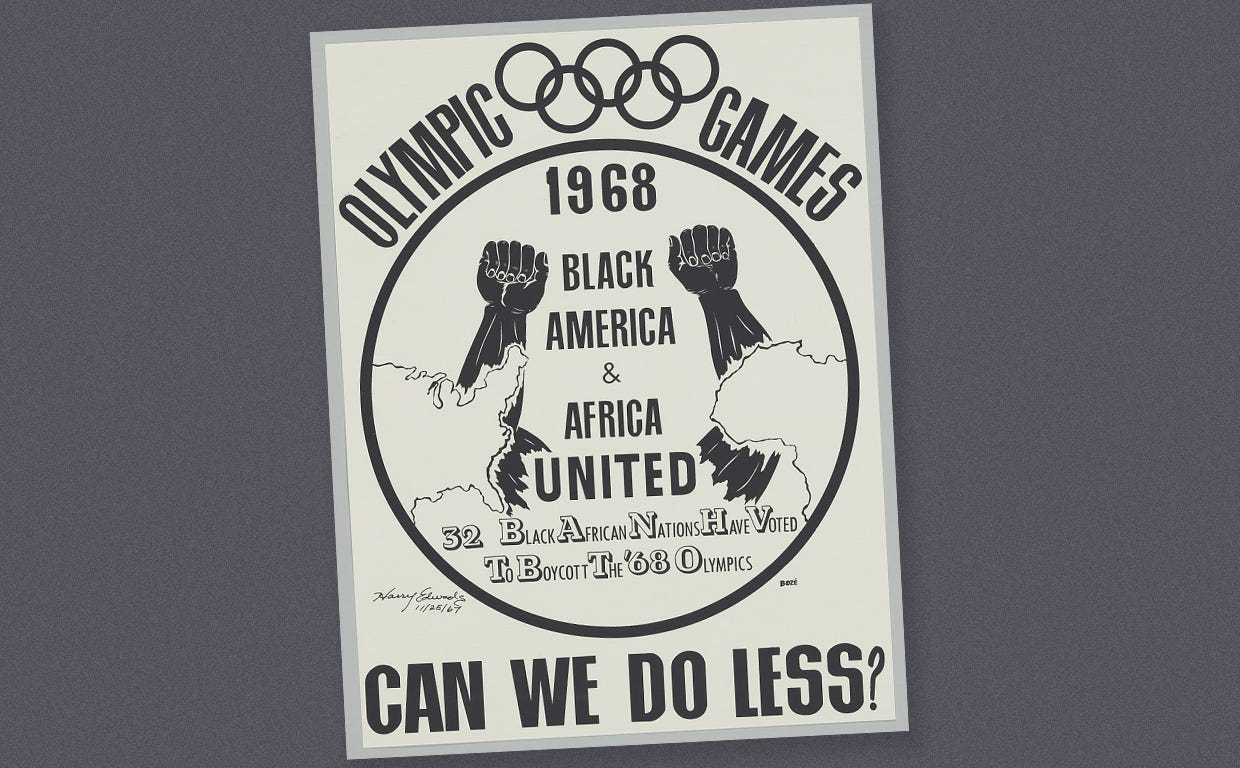
Honestly, that has me thinking if we really wanted to boycott the most problematic thing, we’d boycott the US. That’s where I see opportunity for global boycotts of the World Cup and the Olympics. There’s already been discussions of that online especially for safety purposes given what’s happening right now with ICE . We know tourism to the US is down. Good for those abroad deciding to bypass this nonsense. I don’t blame them.
By the way, we’ve been here before:
Once you know to do better, do your best to do better.
As often is the case, you and I are on the same page. I've been having these discussions regularly.
I appreciate your perspective, always. I have been talking to friends a lot about what boycotts can look like for them. A common theme that comes up is not always trying to quit anything cold turkey, but to start with what is sustainable and can be supported within the lifestyle you lead, and go from there.